Flushable Wipes: They May Flush Through Your Toilet, But They Can Wreak Havoc on Your Sewer Line
Stop flushing flushable wipes
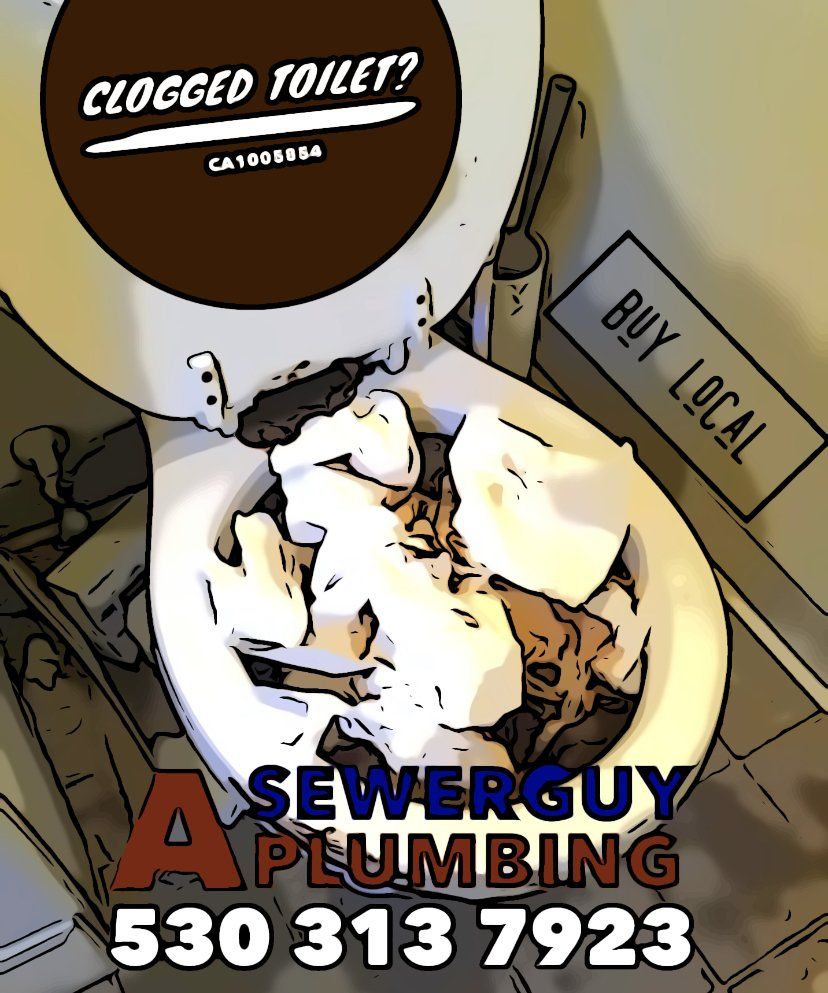
Many homeowners assume that if a product is labeled “flushable,” it must be safe for their plumbing system. Unfortunately, that’s not always the case. While flushable wipes may make it through your toilet without an immediate issue, they often become a major problem once they enter your sewer line.
The photo above shows a common sight during sewer cleaning—a drain cable pulling back a tangled mass of wipes that have become trapped inside a sewer line. This blockage can lead to slow drains, recurring backups, sewage spills, and expensive repairs.
Why Flushable Wipes Are Different Than Toilet Paper
Toilet paper is specifically designed to break apart quickly when it comes into contact with water. Flushable wipes, on the other hand, are manufactured to remain strong and durable even when wet.
This strength makes them useful for cleaning, but it also means they don’t disintegrate like toilet paper. Instead, they travel through your plumbing system largely intact.
A healthy sewer line with proper slope, no root intrusion, and no damaged pipe sections may allow wipes to pass through. However, very few sewer systems remain in perfect condition forever.
The Hidden Problems in Sewer Lines
Many homes have existing issues underground that homeowners don’t know about, including:
- Tree root intrusion
- Offset pipe joints
- Cracked sewer pipes
- Bellies (low spots that hold water)
- Scale buildup in cast iron pipes
- Grease accumulation
- Orangeburg pipe deterioration
- Pipe sags caused by soil movement
When a flushable wipe encounters any of these conditions, it can snag and become the first piece of material that starts a blockage.
One Wipe Becomes Many
The problem is rarely a single wipe.
Once one wipe gets caught, additional wipes, toilet paper, grease, and debris begin accumulating around it. Over time, the obstruction grows larger and larger until wastewater can no longer pass through freely.
Common warning signs include:
- Slow draining toilets
- Gurgling fixtures
- Frequent plunging
- Sewer odors
- Sewage backing up into tubs or showers
- Recurring drain cleaning needs
By the time these symptoms appear, the blockage may have been growing for months.
Root Intrusion Makes the Problem Worse
Tree roots are one of the biggest contributors to wipe-related sewer backups.
Roots naturally seek moisture and often enter sewer pipes through small cracks or loose joints. Once inside, they create a net-like structure that catches wipes as they flow through the line.
The result is exactly what plumbers commonly find during drain cleaning—a tangled mass of wipes wrapped around roots deep inside the sewer line.
Even if your toilet flushes perfectly today, hidden roots underground can turn a single wipe into a major blockage tomorrow.
A Sewer Camera Inspection Reveals the Truth
The best way to know whether your sewer line is vulnerable is with a professional sewer camera inspection.
A camera inspection can identify:
- Root intrusion
- Cracks and breaks
- Offset joints
- Pipe material and condition
- Bellies and standing water
- Existing buildup before a backup occurs
Many homeowners are surprised to discover their sewer line has significant issues long before they experience a complete blockage.
Our Recommendation
At A SewerGuy Plumbing, we recommend treating flushable wipes the same as paper towels, feminine hygiene products, and other non-degradable materials:
Throw them in the trash, not the toilet.
Even if they successfully make it past your toilet today, any hidden defect in your sewer line can turn them into the starting point of a costly sewer backup.
The small convenience of flushing a wipe is rarely worth the inconvenience and expense of a sewer repair.
Need a Sewer Inspection?
If you’re experiencing slow drains, recurring backups, or simply want peace of mind about the condition of your sewer line, a professional camera inspection can help identify problems before they become emergencies.
A SewerGuy Plumbing
530-313-7923
“Just because it’s labeled flushable doesn’t mean it’s sewer-safe.”
You might also like
Memoirs Of A Plumber